
Trust and Tradition: How NHK maintains credibility in a digital world
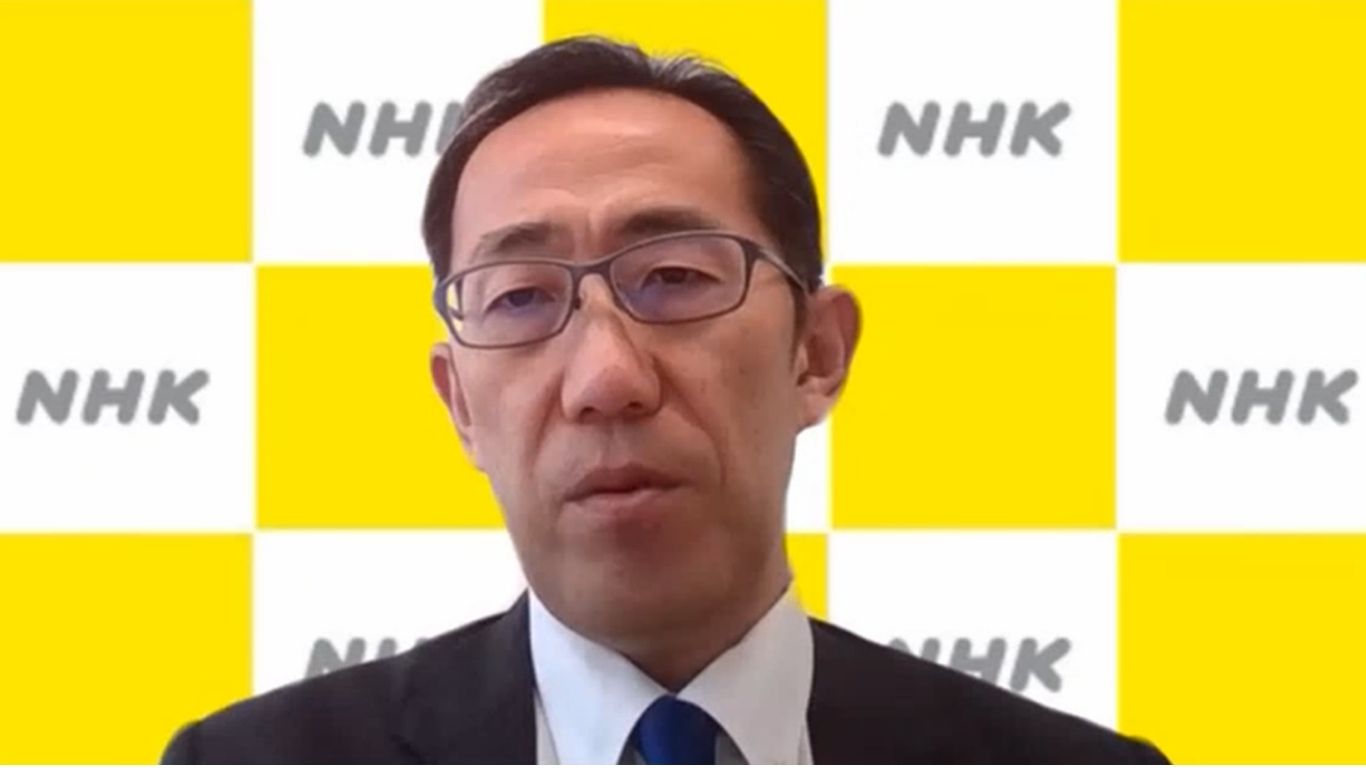
“Many people still choose NHK for its accuracy and reliability,” said Fumitaka Sato, NHK’s Head of the International News Division.
Speaking to ABU News, Sato, who is also the ABU News Group Vice-Chair, said one of the reasons NHK News is considered trustworthy is its commitment to delivering accurate information in a timely manner, as well as being fair and impartial.
Based on the Reuters Digital News Report 2025, NHK has been ranked first in trust for TV, radio, and print news, as well as among the top three for online media.

Source: Reuters Digital News Report 2025, Japan
“Where media outlets withdraw and local news goes unreported, NHK maintains regional broadcasting stations in every prefecture,” said Sato.
Sato also emphasized that NHK is especially valued during disasters and that the organization takes the initiative to mobilize all its resources to deliver lifesaving information.
How public service media maintains trust in a post-truth era
During the interview, the discussion turned to the crucial role of public service media in sustaining public trust amid an era dominated by misinformation and disinformation.
With false information spreading rapidly across social media, public service media are essential in upholding public confidence and protecting the integrity of democracy.
“We believe that NHK’s role as a public media organization is to deliver accurate, fair, and impartial information along with diverse perspectives that form the foundation of a democratic society,” he said.
According to Sato, NHK aims to support democracy by maintaining the integrity of the information space, especially when misleading information on social media is left unchecked and allowed to spread.
Taking as an example the rumours that circulated on social media this April, claiming that a major disaster would strike Japan on July 5th, Sato said NHK reported that the Japan Meteorological Agency had denied the claim.
“We also provided expert commentary explaining how such rumours and misinformation tend to spread, encouraging the public to respond calmly,” Sato explained.
Written by Amira Ismail.