News
Resilience is actually about recharging, not endurance
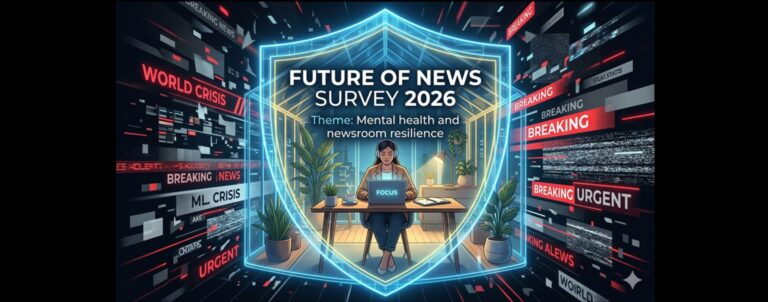
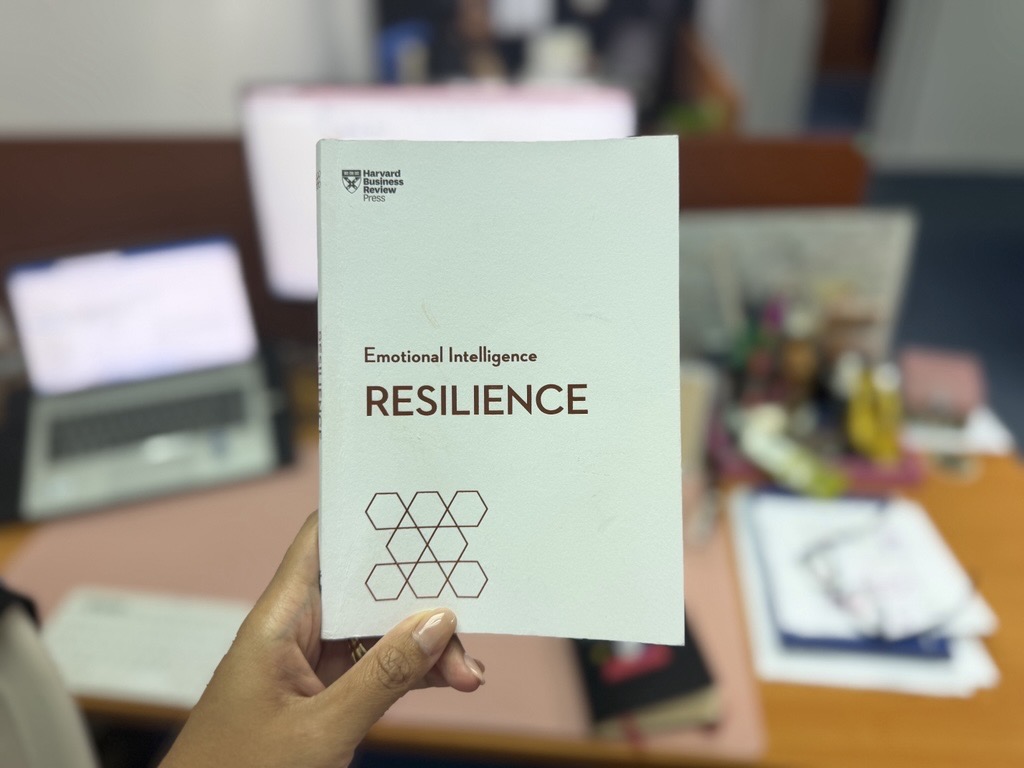
With the 2026 Global News Forum just 96 days away, I have taken the time to delve into the theme of this year’s forum: Resilient Journalism: Safeguarding Truth and Wellbeing. As the team preps for this forum, I recently had the privilege of reading Resilience, from the Harvard Business Review Emotional Intelligence Series, which reframes how we look at pressure.
What is resilience? Many of us mistake resilience for endurance, believing that the harder we push through crisis, the stronger we become. In the workplace, we often misunderstand grinding through exhaustion until we reach burnout as a badge of honour.
However, true resilience is not about how much you can suffer; it is about how effectively you recharge and bounce back after a setback. The neural key to resilience lies in how quickly we can recover from an “amygdala hijack”, that moment when stress overwhelms our rational brain and triggers a fight-or-flight response.
To build this mental agility, we must first adopt an acceptance of reality. Whether dealing with a challenging project or a difficult manager, looking at the facts without denial allows us to navigate the situation with clarity rather than emotion.
This same principle applies to the stress of a relationship breakup. It is tempting to dwell on what went wrong, but resilience requires us to find a meaningful narrative in the pain, holding onto the value that life remains purposeful even when a chapter closes.
In both professional and personal crises, the ability to improvise is what separates those who crumble from those who thrive. When things do not go as planned, the resilient mind looks at the remaining pieces and asks, “What can I build with this now?”
Resilience also involves a level of humility, specifically the capacity to extract value from criticism. Even if feedback is delivered poorly by a colleague or an ex-partner, there is often a grain of truth that can be used for personal growth.
We must stop viewing ourselves as machines that need to be driven at maximum capacity. Just as a battery cannot provide power if it is not charged, a person cannot remain resilient if they view “taking a break” as a sign of weakness.
If you find yourself constantly pushing through the pain, you aren’t building resilience; you are accelerating burnout. True strength is found in moments of recovery where the mind resets and the body heals.
By shifting our focus from endurance to intentional recharging, we safeguard our long-term well-being. Ultimately, resilience is the art of bouncing back. It is the deliberate step back to breathe that provides the momentum needed to go forward again.
Written by: Nerina Rosli
Our Latest News
Discover More News


CNA Wins Singapore’s Public Trust