
Look out! The world of fake news & impression zombies
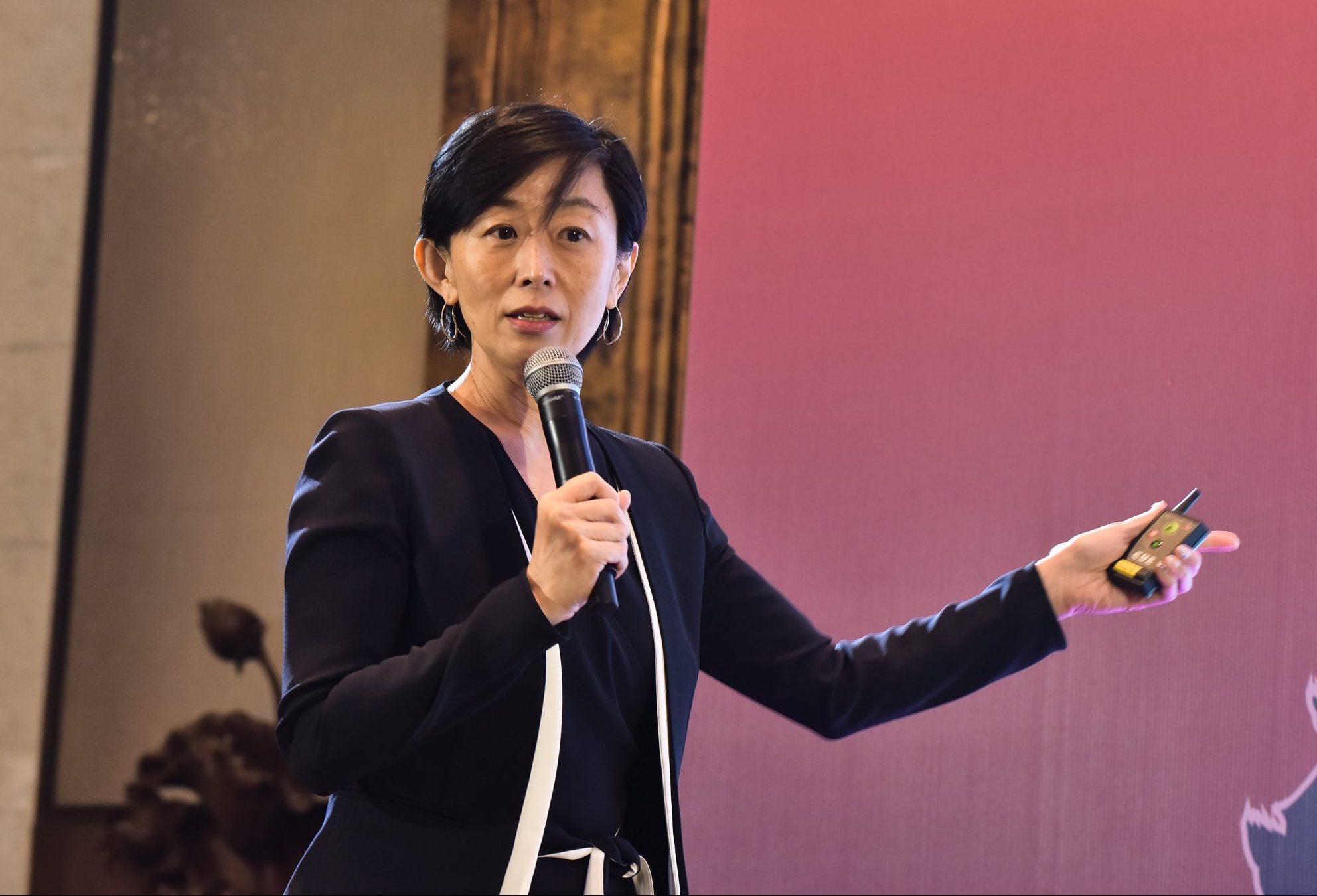
The growing threat posed by fake news and the monetisation of misinformation was highlighted by NHK’s Kaori Iida in a presentation at the 2024 Global News Forum called “The rise of Impression Zombies”.
The Director of the Digital News Division at NHK Japan explained that “impression zombies” are accounts designed to profit from viral content. “We define impression zombies as accounts that swarm around posts going viral, copying and stealing messages or reposting meaningless words. In Japan, we call these the ‘zombies’ because they tend to come in herds with no spirit or energy, just floating around,” she said noting that similar practices in the U.S. are referred to as ‘content farming’.
She said in the aftermath of the Noto earthquake in Japan on January 1 this year, posts on social media falsely claimed the earthquake was man-made. “We saw 250,000 posts on the artificial earthquake hypothesis by the end of the second day.”
Kaori shared an example of how misinformation was monetised. “We found a gentleman in Pakistan who confirmed using footage from the 2011 earthquake, claiming it was from the Noto earthquake to gain impressions. He was paid US$75 for this,” she revealed.
The spread of false information during crises, Kaori emphasized, can significantly impact rescue operations and cause confusion during evacuations. “Some posts were in Japanese, which appeared trustworthy to the Japanese public. Others were from impression zombies in Japanese but from accounts with profiles in Urdu, Hindi, and Arabic, often featuring strange Japanese,” she added.
To combat misinformation, NHK has a strategy known as “pre-bunking,” which involves addressing false narratives before they gain traction. “I strongly believe that it’s better to be prepared than to scramble to find credible information after the fact,” Kaori said.
In October 2013, NHK launched the Social Listening Team (SoLT), composed primarily of students interested in journalism. “The team monitors X and Facebook 24/7. They find dubious or suspicious information, which is then verified by reporters. This helps ensure that credible information reaches the public,” Kaori explained.
Looking forward, Kaori said: “The future of news is trust, and debunking false news feels like playing whack-a-mole. Our top priority is to make journalism products valuable enough that people seek them out daily.”
In conclusion, Kaori reaffirmed NHK’s commitment to maintaining trust and relevance. “We need to remain a trustworthy news organization to stay relevant and to survive another 100 years. We cannot allow the zombies to roam around,” she concluded.
To learn more about NHK’s response to fake news and impression zombies, read Kaori’s essay, “Debunking, Pre-bunking and Appropriate Tech: Building a Solid Foundation for the Future of News,” in The Future of News report. Read the full report here: Future of News Report