
Leaders demand end to “machine” mentality as trauma scars newsrooms
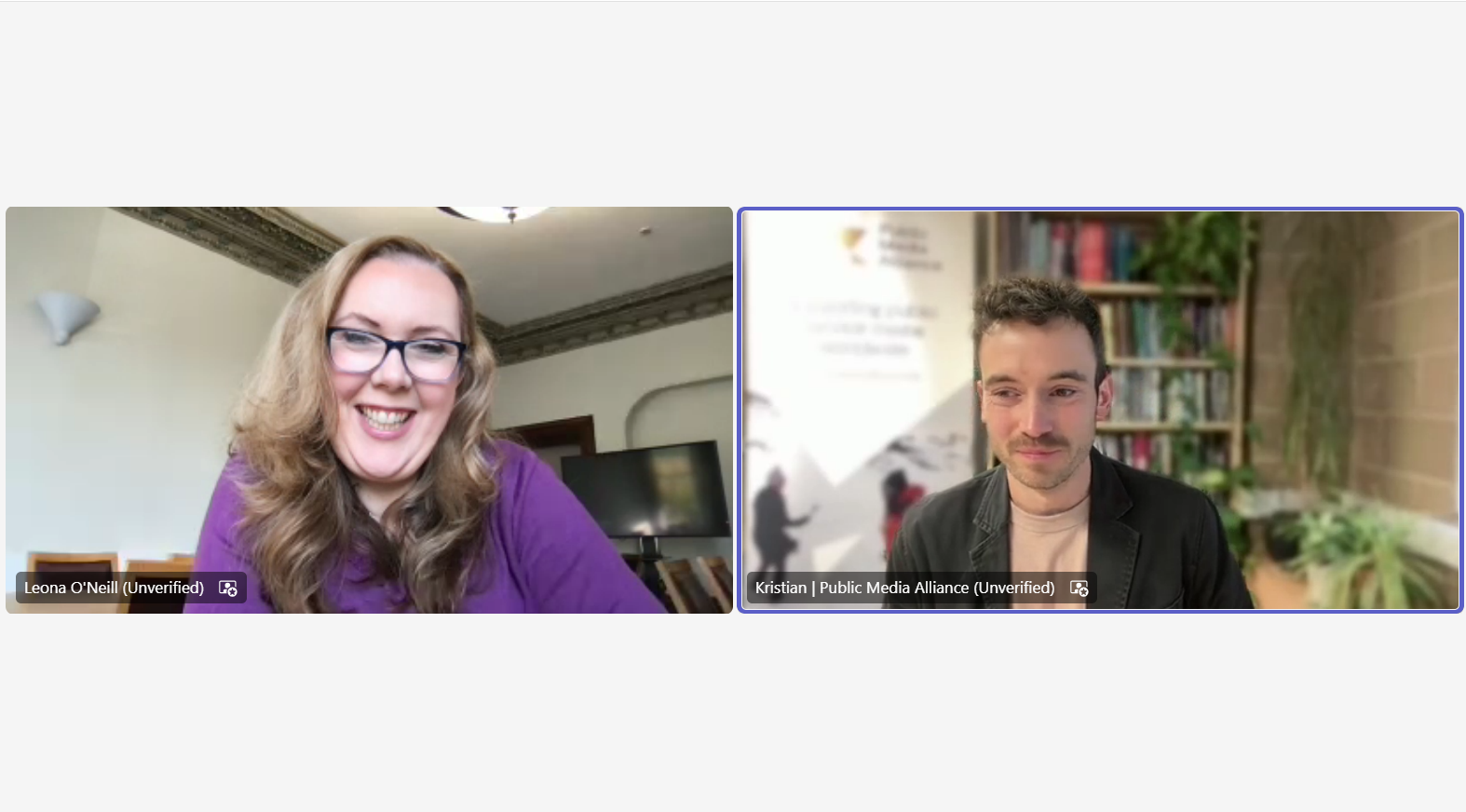
During a mental health webinar hosted by the Asia-Pacific Broadcasting Union (ABU) News, leading media figures, including the CEO of the Public Media Alliance (PMA), Kristian Porter, and MediaStrong founder & former journalist, Leona O’Neill, spotlighted the escalating and suppressed mental health crisis among media workers, demanding an immediate end to the industry’s culture of treating journalists as “machines.”
ABU News Director, Indra Singh, cited the UN General Assembly where World Health Organization (WHO) Chief, Dr. Tedros Ghebreyesus reported that more than one billion people now live with a mental health condition.
He noted that media workers are undoubtedly included in this global figure, yet the mental health struggles of journalists are often “left under the carpet” and not openly discussed within the industry.
Porter emphasised the severity, citing data affecting the journalism profession:
- A staggering 74.1 percent of US journalists experience mild to moderate anxiety.
- 70 percent of staff from international news organisations suffered some level of psychological distress after covering the COVID-19 crisis.
- A worrying 32.9 percent of newsrooms offered no mental health support at all.
“News organisations are absolutely nothing without a functioning, healthy, and respected newsroom staff,” Porter asserted, arguing that supporting staff is now “imperative” to fulfilling the core mission of quality journalism.
Porter challenged the industry’s excuse of time and funding constraints, providing a powerful financial argument for investment in well-being. He noted that poor mental health in the UK alone costs employers £51 billion a year.
“For every £1 spent on supporting the mental health and well-being of their workforce, employers on average got about £4.70 back in increased productivity,” Porter stated.
He warned that neglecting staff fosters fear, leading to self-censorship. A report by the International Women’s Media Foundation found 40 percent of female journalists admitted to avoiding reporting certain stories due to concern over the impact of violence or online harassment.
O’Neill shared her personal traumatic experience of witnessing a fatal shooting during a riot in her hometown.
“I went to work the next day after witnessing someone being murdered, because that is what journalists do. Journalists just get on with things,” O’Neill revealed, describing the moment she realised she was offered no support and was instead told to “just get on with it.”
O’Neill detailed the neuroscientific reality of the journalist’s brain, explaining that relentless exposure to trauma—whether in the field or through trauma from editing horrific online content—pushes the brain into a state of hyper-vigilance (fight-or-flight mode). This constant stress:
- Shuts down the prefrontal cortex (rational thought).
- Floods the body with adrenaline and cortisol.
- Leads to long-term health crises like anxiety, post-traumatic stress disorder (PTSD), burnout, and physical ailments such as irritable bowel syndrome (IBS).
“One of the places I used to work, the editor said to me, ‘If you haven’t got a stomach ulcer, you’re not doing this right,’” O’Neill recalled, highlighting the destructive culture of toughness that rewards “resilience and detachment.”
MediaStrong is now urging news leaders to adopt its charter, providing actionable policies to ensure support and protection for all media staff. The leaders concluded by stressing that making staff well-being a priority is the only way to safeguard the quality and integrity of future journalism.
Written by: Nerina Rosli