
Journalists warned AI has improved copyright surveillance

The ABU’s Legal Manager has warned journalists it has now become easier than ever to monitor unauthorized use of content.
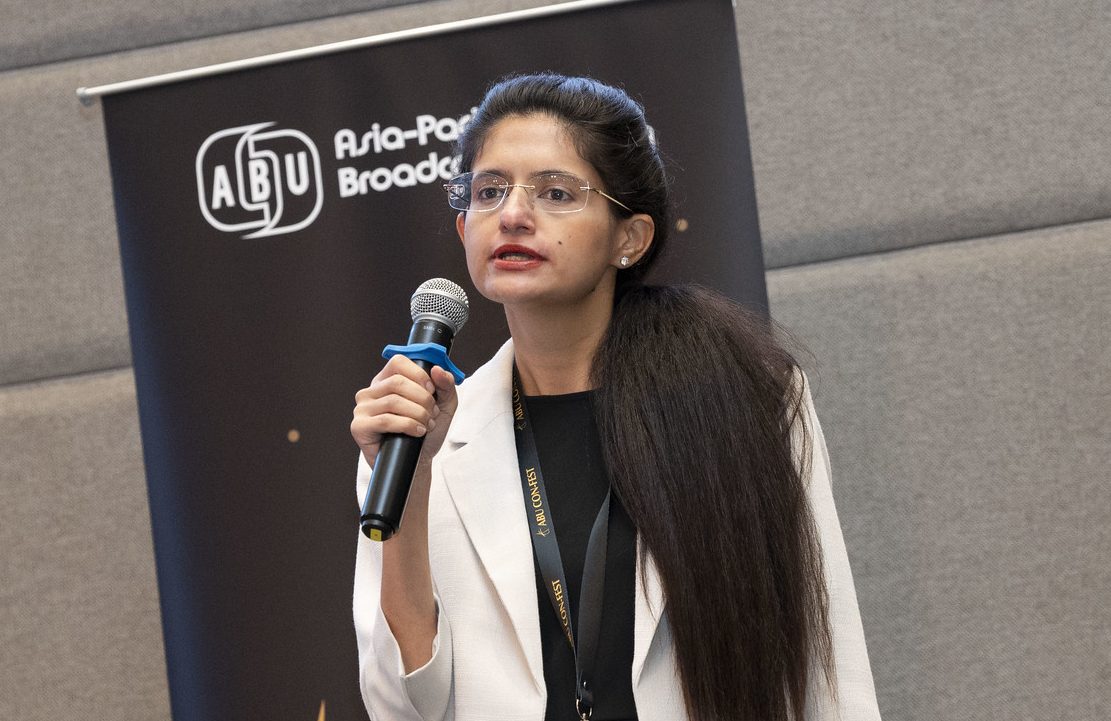
Speaking during an ABU webinar on Copyright for Journalists, Dr Seemantani Sharma, said: “It is so easy to detect unauthorized use of content that there is just no scope for you not to seek the permission of the copyright owner.”
Dr Seemantani cautioned journalists against assuming online content is free to use. “Just because content is freely available online, just because you found it on Instagram, TikTok, YouTube or Facebook, that doesn’t mean that there is no copyright protection over it,” she said. “You almost always have to assume that there is copyright over the work.”
Determining the copyright holder can be challenging. Dr Seemantani noted: “Copyright holder and copyright owner are two different things.” She advised journalists to make their best efforts to identify and seek permission from the original content creator, even if they cannot be easily located.

The media law expert also stressed that copyright protection covers a wide range of creative works that journalists encounter daily. “Copyright exists over written pieces such as website articles, blogs, videos, images, music, drawings, paintings and even architectural buildings.”
Dr Seemantani provided journalists with a comprehensive overview of the legal landscape surrounding content usage. “Copyright law varies from country to country,” Dr Seemantani emphasized, noting that while there are some broad international principles, the specifics are “essentially very jurisdiction specific”.

 The webinar also covered the concepts of “fair use” and “fair dealing” – legal exceptions that may allow limited use of copyrighted material without permission.
However, Dr Seemantani cautioned that these exceptions are highly subjective and jurisdiction-specific.
To mitigate risks, the webinar recommended that journalists utilize copyright-free resources and provide proper attribution whenever possible.
As the digital landscape continues to evolve, the webinar highlighted the importance for journalists to stay informed and vigilant about copyright considerations.