

Op-Ed: Navigating friendship through the (in)visible bonds and reciprocity
We have all been there. You send a thoughtful text and then just stare at your phone, waiting. No reply comes. Days go by. Then weeks. And somewhere in that quiet silence, a small question starts to bug you. Am I the only one trying here?
For years, we have been told that friendship or relationship should not come with a scorecard. Keeping track is petty, right? Real connection means giving without expecting anything back. But honestly, that well-meaning advice has created a whole bunch of emotional martyrs. People who burn themselves out on friendships that offer nothing in return.
So, I got to thinking. Is reciprocity really optional? Or have we just been afraid to admit that it matters?
Think about the research. Psychologist John Gottman spent decades studying relationships. He found that the “magic ratio” for successful partnerships is five positive interactions for every negative one. But what really matters is what happens when that ratio falls apart. When people do not invest in each other emotionally, friendships do not just get stale. They corrode your mental health. One study found that people in one-sided friendships report depression rates nearly three times higher than those in balanced ones. Three times is not a rough patch. That is a public health crisis happening quietly over brunch.
And yet we make excuses. “She is just going through a hard time.” “He has a lot going on.” Sometimes that is true. I have been that friend. So have you. But when “tough times” stretch into years? When cancelling becomes a habit? When you realise you are the one starting every single conversation? That is not a crisis. That is just who they are.
The digital age has made all of this worse. We track streaks on TikTok. We check read and like receipts on iMessage and Instagram. We pretend an emoji reaction is real emotional support. We have handed over our sense of connection to apps that measure everything except the one thing that counts. Genuine effort.
Here is where it gets even more interesting. Your texting habits might reveal your attachment style. People with an anxious attachment style tend to text frequently and expect quick replies. They often overanalyse responses, send multiple messages in a row, and assume the worst when they do not hear back. They use texting as a way to seek reassurance, often mistaking silence for rejection or abandonment, sometimes even as a weapon. On the other end of the spectrum, avoidant texters keep things minimal and sporadic. They take hours or days to respond, keep conversations surface level, and rarely initiate. Their texts can feel distant and matter of fact, lacking emotional depth. And then there is the fearful avoidant style, which is a confusing mix of both. One moment they are sending long, heartfelt messages. The next, radio silence. It is a push pull dynamic that leaves everyone feeling disoriented.
None of these patterns are inherently bad, but they become a problem when one person is constantly left wondering where they stand. When your friend’s texting style is avoidant and yours is anxious, that imbalance can feel like torture. Understanding your own patterns can help you stop taking uneven communication so personally.
Some people will say that asking for reciprocity is too transactional. That love should be unconditional. But that confuses conditions with standards. Unconditional love means you do not ditch someone just because they are imperfect. It does not mean you set yourself on fire to keep them warm. There is a huge difference between a friend who is temporarily absent and a friend who is just never available.
The most honest silence I have encountered is the kind dressed up as “giving space.” We have convinced ourselves that not reaching out is a form of respect. But more often, it is a form of avoidance. A polished excuse for letting relationships wither because maintenance feels awkward. Real friends do not just give space. They learn when to fill it. They show up, not because they have to, but because they notice when you have been quiet for too long.
And here is the part that keeps me up at night. Social media can make us feel connected without delivering anything real. You can have a thousand followers and still feel completely unseen. Completely alone. That is because real relationships are not built on likes or comments. They are built on something slower and messier. The sustained presence of people who genuinely know you. Who see you when you are anxious and do not run away. Who sit with you in the mess. Without that, all the notifications in the world cannot fill the void. They just make the silence louder.
So, what is the remedy? After all these mental gymnastics to justify character traits, here is what I have landed on. First, stop performing emotional archaeology. You should not have to excavate reasons someone has not called. Second, match effort, not potential. Love people for who they demonstrate themselves to be, not who you hope they will become after one more heartfelt conversation. And finally, have the uncomfortable conversation. “I value this friendship, and lately I have felt alone in it” is not a complaint. It is a clarification. It is a gift you give to someone who might not even realise they have been drifting.
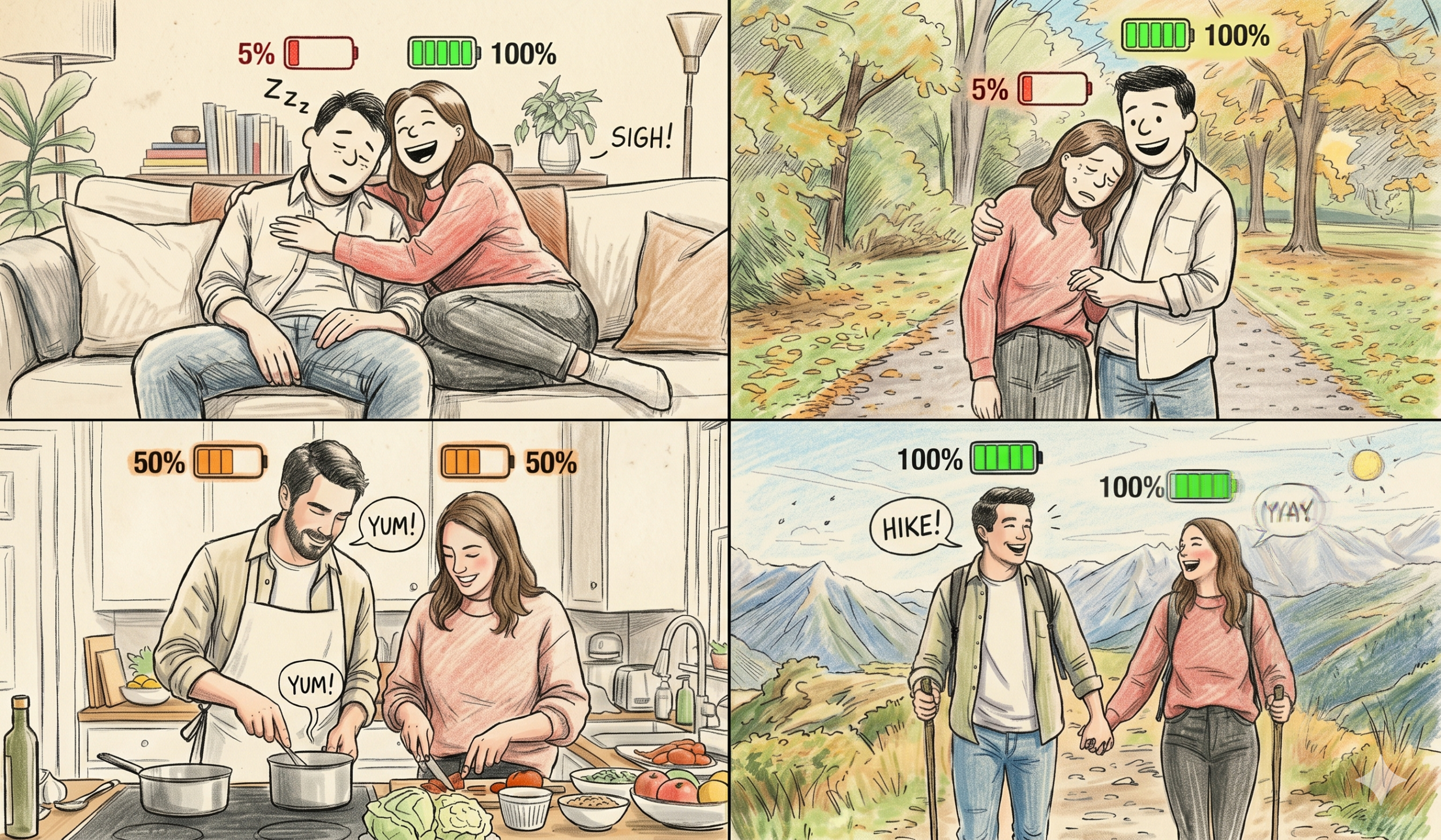
Relationships are not 50/50 every single day. Some weeks you will give 80 percent. Some weeks you will take 80 percent. But over months and years, the maths should settle somewhere near even. Anything else is not a friendship. It is a devotion. And you were never meant to be anyone’s unpaid saint.
The people who deserve your energy are not the ones who demand it. They are the ones who prove, day after day, that your name on their screen is the last typing bubble they would ever want to disappear.
And I could not help but wonder… if silence is a language, what are we saying to the people we claim to love? And more importantly, what are we accepting in return?
Co-written by: Nerina Rosli & Naim Muhamad Ali
*Meme was AI-generated.